Tick Control in Sarasota, FL
Ticks in Florida aren’t just a woods problem, the brown dog tick can complete its entire life cycle inside your home, and yard edges hold lone star and black-legged ticks waiting for a host. We treat the yard zones where ticks quest and, when needed, the indoor infestations most companies don’t know how to handle.
Rated 5 Stars on Google · Licensed and Insured · Open 24/7 · Family and Pet Safe
Talk to a Local Tech Right Now
Open 24 hours, 7 days a week. Free quotes over the phone, same day appointments available.
What Happens When You Call
Tell Us What You Are Seeing
Describe the pest or text us a photo. No pressure, no scripts.
Get a Straight Price
We quote clearly on the call. The quote is the price.
A Technician Is Dispatched
Often the same day. You get a guarantee, not a runaround.
Quick answer: B&E Pest Control Services of Sarasota FL provides tick control in Sarasota, FL and 20 nearby cities. Our licensed technicians treat the yard edges and travel corridors where ticks quest, plus indoor work for brown dog tick infestations. Call or text (941) 491-0784 any time for a free quote.
Why Ticks Are Such a Problem in Sarasota, FL
Sarasota properties deal with several tick species. The brown dog tick is the most troubling, it’s the one that infests homes and kennels, hiding in baseboards, wall cracks and pet bedding between blood meals. Outdoors, lone star ticks (aggressive biters linked to alpha-gal meat allergy), American dog ticks and black-legged ticks (the Lyme vector) occupy the transition zones: tall grass, brush lines, leaf litter and fence rows.
Ticks don’t jump or fly, they “quest” from vegetation, waiting to grab a passing host. That behavior is exactly what makes targeted treatment effective: treat the questing zones and travel corridors, and you break the cycle. Pets on year-round vet-prescribed prevention plus a treated yard is the combination that keeps tick-borne disease out of your household.
Reviewed by the B&E Pest Control team. As local tick control specialists licensed by the Florida Department of Agriculture and Consumer Services, we treat these infestations across Sarasota and Manatee County every week.
Warning Signs to Look For in Your Home
Seeing these signs? Get a free inspection today.
Reclaim Your Home from Invasive Ticks
You don’t have to live with the constant worry of finding attached pests on your children or dogs after a simple afternoon outside. Our mission is to help homeowners regain comfort, safety, and confidence through advanced, targeted tick control solutions. As experienced Pest Management Specialists, we bridge the gap between ineffective DIY sprays and highly disruptive, wide-scale chemical applications. Using modern, precision-guided techniques, we focus on treating the ticks at their source targeting tall grasses, treating shady transitional zones, and breaking the breeding cycle, so you can relax, host barbecues, and live fully without unnecessary disruptions.
Why Customer Trust Us
- Targeted Exterior Tick Eradication
- Precision-Based Preventative Perimeter Relief
- Fast Appointments & Minimal Wait Times
- Advanced Breeding Source & Habitat Elimination
- Personalized, Customer-Focused Care
Specialized Care for Tick Relief
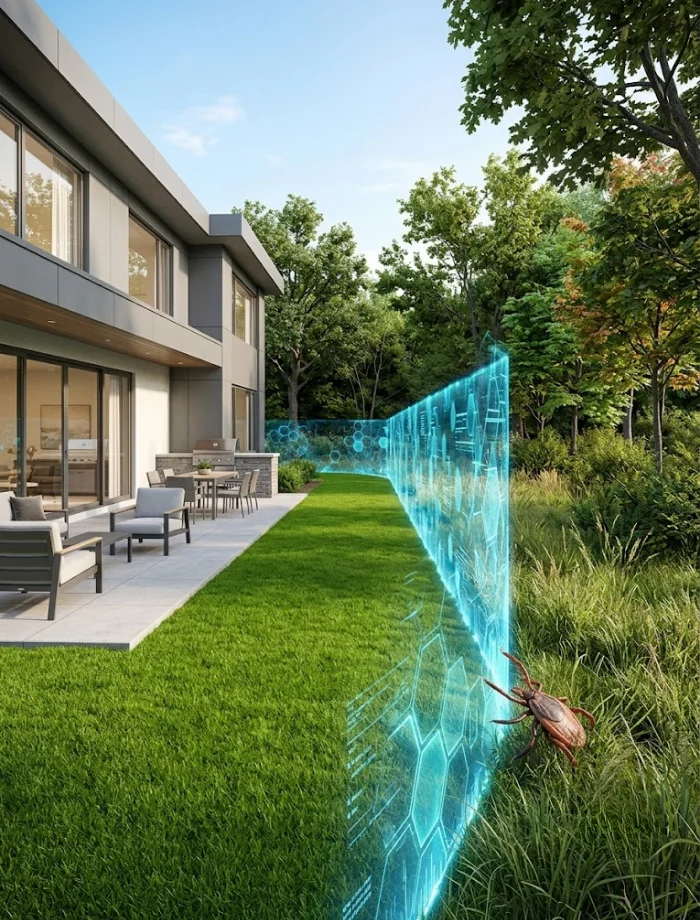
A persistent tick problem can turn your own backyard into a source of anxiety rather than a sanctuary. Our Bradenton and Sarasota pest management team specializes in diagnosing and treating complex residential yard infestations with customized barrier sprays and habitat-reduction care plans designed around your property’s unique landscape.
Expert Care from a Tick Control Specialist
Ticks should never dictate the safety of your family or the enjoyment of your outdoor spaces. Our pest management specialists are dedicated to helping Sarasota families find lasting relief through advanced, family-safe, and highly effective tick treatments. We focus on diagnosing the root cause of the infestation such as overgrown vegetation, shaded resting areas, and wildlife transit paths and delivering targeted therapies that restore a secure yard without relying on unnecessary, harsh chemical over-spraying.
Why Customer Trust Us
- State-Licensed Pest Management Professionals
- Eco-Friendly & Pet-Safe Extermination Options
- Precision-Guided Brush & Perimeter Techniques
- Rapid Appointments & Coordinated Property Care
Specialized Pest Management for Tick Infestations
Living with a heavy tick presence can deeply affect your peace of mind and limit your time outdoors, especially given the serious health risks of vector-borne illnesses. Our local team is equipped to treat complex property infestations using evidence-based pest management techniques designed specifically to protect Florida homes, your family, and your pets from these dangerous parasites.
How Our Sarasota Tick Control Works
Property & Host Assessment
We identify the questing zones, wildlife corridors and, indoors, any brown dog tick harborage.
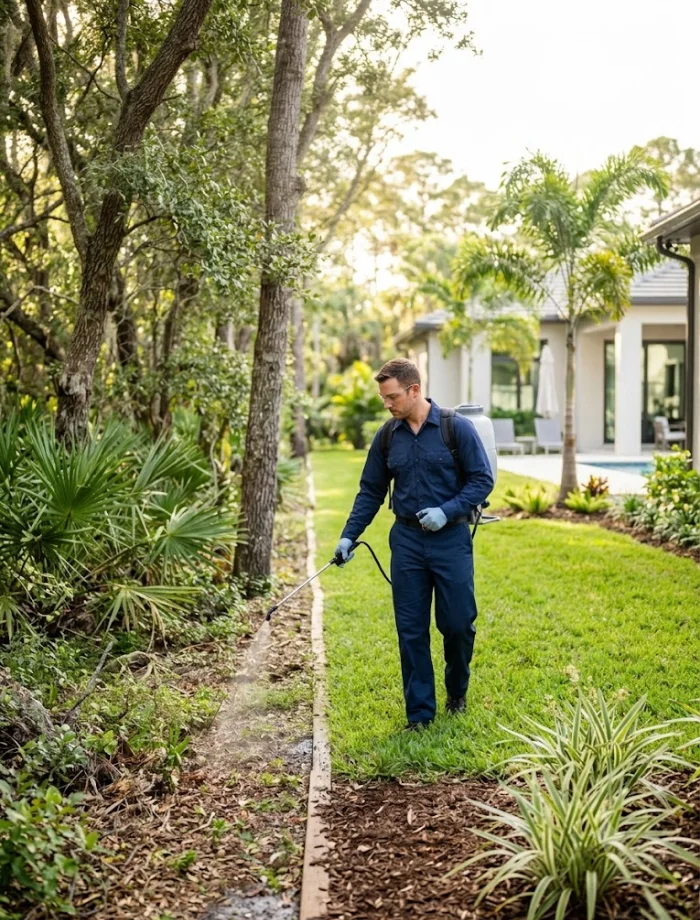
Targeted Yard Treatment
Perimeter and transition-zone application: yard edges, fence lines, under decks, shaded pet areas and leaf litter.
Indoor Treatment (when needed)
Crack-and-crevice treatment of baseboards, pet areas and voids for brown dog tick infestations.
Prevention Program
Habitat modification guidance plus scheduled re-treatments through Florida's long tick season.
Safe for Kids, Pets and Florida Landscaping
Yard applications target edge zones rather than blanket-spraying open lawn, and pets return to treated areas once dry. Indoor work is confined to cracks, crevices and pet zones with clear re-entry guidance.
Honest, Upfront Pricing
Yard tick treatments start in the low hundreds and pair naturally with our mosquito barrier program, same visit, both problems. Indoor brown dog tick programs are quoted after inspection since severity varies widely.
How to Keep Ticks Away Between Treatments
Professional treatment does the heavy lifting. These habits protect the results, and your technician will point out which ones matter most for your property during the visit.
- Mow regularly and keep the lawn edges free of tall grass
- Clear brush, leaf litter and overgrowth along fences and property lines
- Add a gravel or wood chip border between lawn and wooded areas
- Check pets daily, especially ears, neck and between toes
- Keep play equipment away from yard edges and shaded brush
Why Sarasota Trusts B&E for Tick Control
- Locally owned and operated from 2963 Bee Ridge Rd in Sarasota, not a national franchise
- Licensed and insured with the Florida Department of Agriculture (FL License #[ADD REAL NUMBER])
- Trained, background checked technicians who explain what they find in plain English
- Integrated pest management methods that are safe for families, pets and Florida landscaping
- The quote is the price. No surprise add ons at the door
- Guarantee backed work. If the pests come back between visits, we come back free
Meet the Team Behind the Guarantee
[Owner or lead technician first name] has been protecting Sarasota homes since [year]. You will always get a straight answer, a fair price and a technician who treats your home like their own.
One Local Team. Twenty Communities.
From our office on Bee Ridge Road we dispatch across Sarasota, Manatee and Charlotte counties, usually the same day. Tap any area to see it on the map, then open its page for local details.
Home Base
Find Us in Sarasota
Visit, Call or Text Our Sarasota Office
- 2963 Bee Ridge Rd, Sarasota, FL 34239
- Call: (941) 491-0784
- Text: (941) 491-0784
- Open 24 hours, 7 days a week, including holidays
- Serving Sarasota, Manatee and Charlotte counties
Services Sarasota Homeowners Pair With This One
Tick Control Questions We Hear Most
One species can, the brown dog tick. It’s adapted to complete its whole life cycle indoors, hiding in cracks near pet resting areas. If you’re finding ticks on walls or baseboards, call promptly; these infestations grow fast.
Locally relevant concerns include Lyme disease (black-legged tick), Rocky Mountain spotted fever (American dog and brown dog ticks), ehrlichiosis, and alpha-gal syndrome, a red-meat allergy triggered by lone star tick bites. Prompt, proper removal and yard prevention lower the risk substantially.
No, that would waste product and money. Ticks concentrate in shaded edges, brush lines and travel corridors, so that’s where we treat. Open sunny lawn rarely holds ticks.
The medication protects your pet; it doesn’t protect you, your kids or your guests, and it doesn’t reduce the ticks questing in the yard. The two together are how you actually close the loop.
Ready to Get Rid of Ticks for Good?
Free quotes over the phone. Same day appointments available. Open 24 hours for emergencies.